
In the world of email marketing, design is more than just aesthetics — it’s about delivering your content in a way that engages your audience, supports your brand, and drives action.
While tools like Mailchimp and others have made email creation easier than ever, one size definitely doesn’t fit all in design. The type of content you want to send heavily influences the structure, layout, and design choices you should make.
Let’s discuss.
1. The "Mini Website" Layout - An Oldie But Goodie
Perfect for: Content-heavy newsletters and media publishers
This design replicates your website’s look and feel with navigation menus, multiple article summaries, and branded colours.
Key features:
- Header with navigation
- Multiple content blocks with images and summaries
- Strong brand consistency
- Not often used in the 2025 mobile world but can still work well if your list leans towards desktop users
2. Layered Hierarchy Layout
Perfect for: News organisations and magazines
Using a layered hierarchy is effective when you have multiple stories to feature but want to guide the reader’s attention. The top of the email features your lead story with supporting content arranged below.
Key features:
- Featured story with a large headline image
- Clear visual hierarchy
- Easier for readers to scan and click through
3. Dark Background Layout
Perfect for: Visually-driven brands with limited text
Dark backgrounds are unusual in email design, but they can make your visuals pop when done right.
Caution: Dark layouts have been known to cause deliverability or rendering issues in some email clients. Test thoroughly.
4. Ad-Friendly Two-Column Layout
Perfect for: Publishers with monetisation goals
Balancing editorial content with advertising is a challenge. A simple two-column layout lets you showcase featured stories while dedicating space for ads or sponsor promotions.
Key features:
- Balanced layout
- Easy integration of ads
- Suitable for affiliate or sponsorship revenue models
5. Hero Image Focus Layout
Perfect for: Arts, culture, events, or lifestyle brands
Sometimes, a single powerful image is enough to carry your message.
Key features:
- Minimalist text
- Large, high-quality visuals
- Clean secondary column for supporting info
6. Photo-First Layout
Perfect for: Fashion, entertainment, shopping or even B2B
Images do the heavy lifting in these emails, with text playing a supporting role.
Key features:
- Image-driven storytelling
- White space prevents clutter
- High engagement for visual products
7. Text-Focused Layout
Perfect for: Business, finance, B2B audiences
A simple text-forward design works best when your audience values substance over flash.
Key features:
- Text clarity over visuals
- Quick load times
- Reliable rendering on mobile
8. Clean Single-Column Layout
Perfect for: Simplicity, ease of reading, or mobile-first audiences
Single-column layouts can risk feeling static, but with good design touches, they’re highly effective.
Key features:
- Mobile-friendly
- Simple and scannable
- Easy to maintain
9. The Traditional Newsletter Layout (with a Modern Twist)
Perfect for: Classic newsletters that deliver regular updates
A tried-and-true layout still works if you keep it fresh with updated visuals and strong calls to action.
Key features:
- Familiar structure (articles left, blurbs right)
- Keeps long-time subscribers comfortable
- Modernised with updated graphics and headers
The Takeaway
There’s no single “best” email design — only the one that fits your content, audience, and business goals. When you’re designing emails, start by asking:
- What did I ask them to sign up to receive?
- What content will I be delivering each day, week, or month?
- How much content am I delivering?
- Is this audience more visual or text-focused?
- Do I need space for ads, promotions, or navigation?
- What brand experience do I want readers to feel?
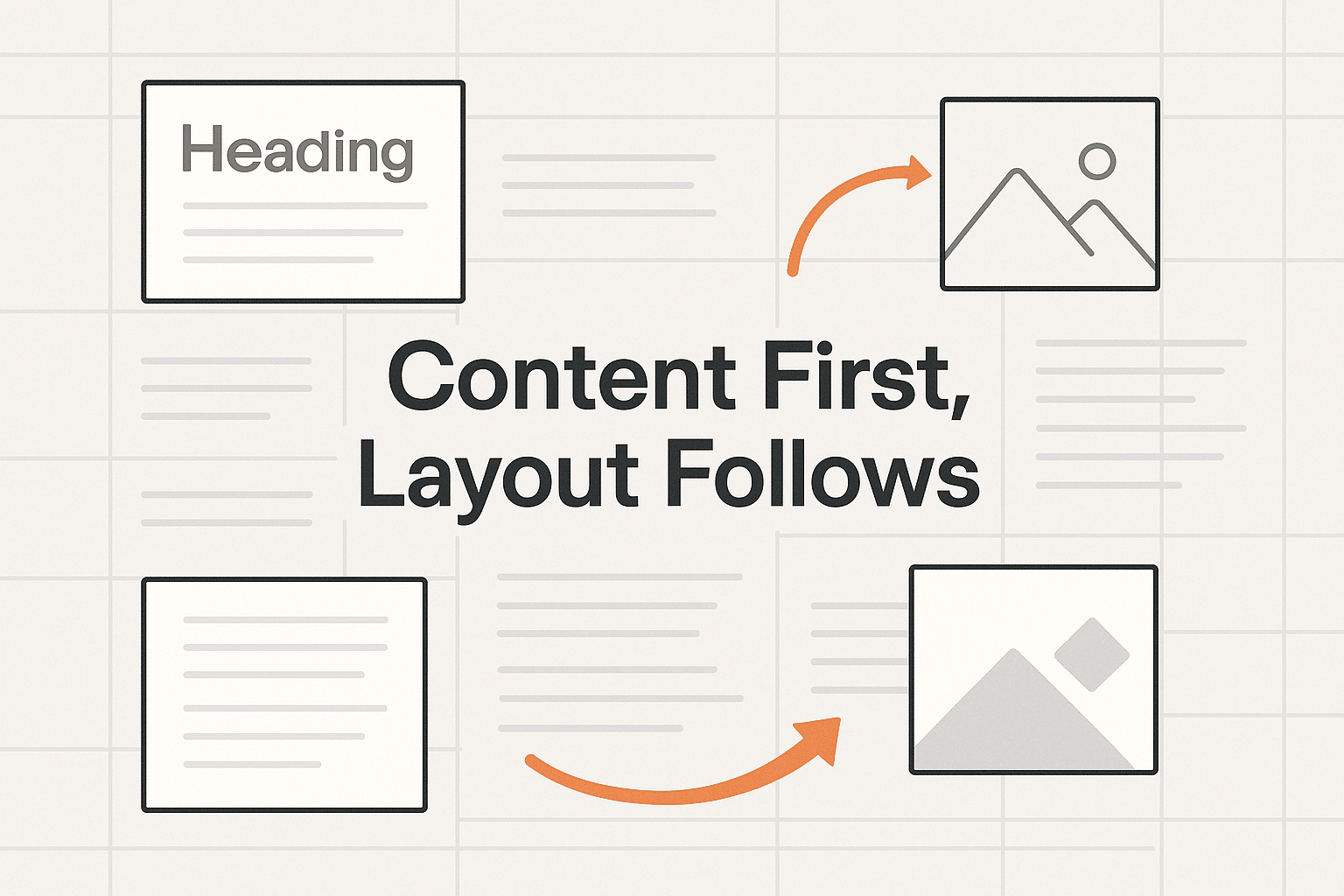
When you answer these questions first, the design will follow naturally.
Hat Tip: Many of these ideas were originally featured on Emailium in 2010, an excellent resource for email design inspiration.
